Walk Copenhagen's safest hygge neighborhoods solo. A mapped route through Nyhavn, Christianshavn, and Torvehallerne with eSIM connectivity tips for Europe.
Updated 2026-08-08
There’s a particular kind of quiet you only find in Copenhagen. It’s not the silence of empty streets—it’s the soft hum of bicycle wheels on cobblestone, the low chatter spilling out of a candlelit café, and the gentle slap of water against a wooden canal boat. For a solo traveler, that sound is basically an invitation to wander without a strict plan. The city’s blend of historic charm and modern design makes it one of the safest, most walkable capitals in Europe, and its neighborhoods are stitched together by a concept the Danes call hygge. It’s a word that resists direct translation, but you’ll know it when you feel it: a warm, sheltered contentment that turns a simple coffee into a memory.
This route strings together the districts where that feeling is strongest. You’ll need comfortable shoes, a few hours, and a reliable data connection to pull up maps or book a last-minute canal tour. If you’re flying in from outside the EU, sorting out your phone’s connectivity before you land makes the whole day smoother—nobody wants to hunt for public Wi-Fi outside a palace.
Copenhagen’s geography is a gift to walkers. The historic core is a compact tangle of medieval streets, Renaissance palaces, and modern waterfronts, all connected by bridges and pedestrian-friendly lanes. Danes consistently rank among the world’s happiest people, and the city’s low crime rate means you can wander through unfamiliar neighborhoods at dusk with nothing more than a sensible jacket and a charged phone. The real magic, though, is the rhythm of the streets. Locals don’t rush. They linger over pastries, they pause to chat on the bridges, and they’ve filled the city with public benches, waterfront saunas, and green spaces that practically demand you stop and soak it all in.
A solo walk here feels less like a tour and more like you’ve slipped into a slower, softer version of daily life. You can start your morning in a 17th-century harbor and end it in a glass-walled food market, and the whole journey covers just a few miles.
Before you even pack your raincoat, get your phone ready. Denmark has excellent 4G and 5G coverage, but if you’re coming from outside the EU, your home carrier’s roaming fees can be brutal. An eSIM is the cleanest fix. You buy a data plan before you leave, install it in a couple of minutes, and you’ve got local connectivity the moment your plane touches down at Kastrup.
PingRoam’s eSIM for Europe keeps you online across the entire Schengen zone, so if you decide to hop a train across the Øresund Bridge to Sweden, your data plan follows you. The real solo-traveler benefit is the dual SIM setup: you keep your regular number for SMS and calls while the eSIM handles data for maps, rideshare apps, and restaurant searches. If you’ve never set one up before, the PingRoam guide on or walks you through it step by step. For a broader look at how the technology works, check out .
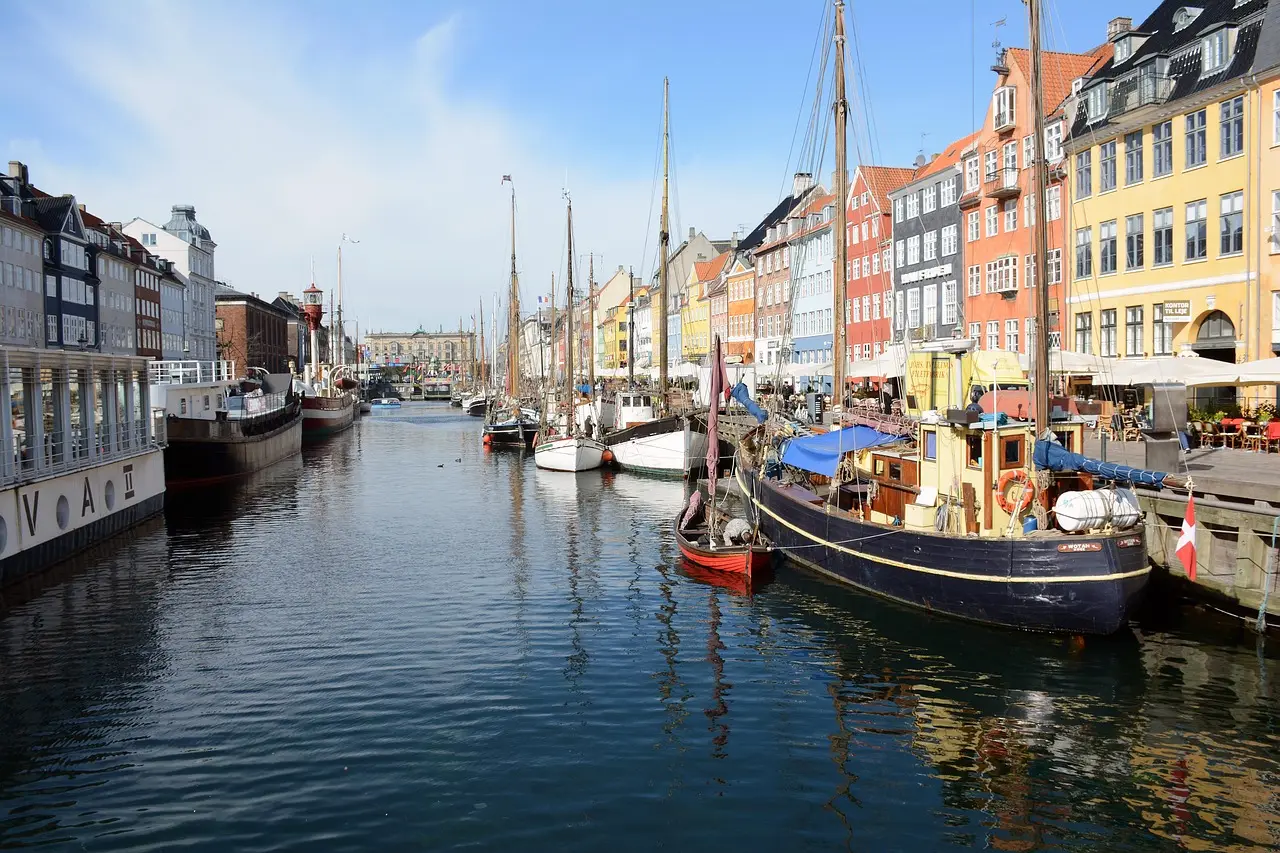
Start your walk at Nyhavn, the postcard-perfect canal lined with brightly painted 17th-century townhouses. Yes, it’s touristy, but there’s a reason it’s on every guidebook cover. The old wooden ships creak at the docks, and the quayside hums with outdoor tables even when the temperature drops. Grab a coffee and a cinnamon roll from a canal-side café and just sit for a moment.
From Nyhavn, walk east toward the Inner Harbor along the waterfront promenade. You’ll pass the Royal Danish Playhouse and eventually reach the Ofelia Plads, a cultural square that often hosts open-air events. The water is so clean here that you’ll see locals swimming in the harbor baths, even in autumn. If the weather’s decent, this is a fine spot to pause and just watch the harbor traffic glide by.
Cut back inland and head toward the Latin Quarter, Copenhagen’s old university district. This is where the city’s medieval street plan survives in full force. The streets are narrower here, and you’ll find independent bookshops, secondhand record stores, and small galleries tucked between the historic buildings. It’s a neighborhood that rewards getting a little lost.
The anchor of this area is the Rundetaarn, the Round Tower. It’s a 17th-century observatory with a spiral ramp instead of stairs—a quirk designed so a horse and carriage could haul books to the university library. The ramp is a gentle climb, and the view from the top gives you a proper sense of Copenhagen’s low-rise skyline. You’ll spot the spires of churches and the green copper roofs of the old town. There’s no need to pre-book a timed ticket here; you can usually walk right in, but checking the official website for current hours is wise.
Cross the Knippelsbro bridge into Christianshavn, a neighborhood that feels like a separate island village. It’s crisscrossed by canals and filled with houseboats, some of which have been here for decades. This is where you’ll find the Church of Our Saviour, with its famous external spiral staircase winding around the spire. Climbing it is a dizzying experience, but the views stretch all the way to the Øresund Bridge.
A short walk back toward the city center brings you to Christiansborg Palace, a massive complex on the islet of Slotsholmen. This is the seat of the Danish Parliament, the Supreme Court, and the Prime Minister’s Office, but visitors can explore the Royal Reception Rooms, the ruins under the palace, and the tower—which is free to climb. The palace is a working government building, so access to certain rooms can be restricted on short notice. Booking a timed entry slot for the Royal Reception Rooms online is a smart move, especially in the summer when the cruise ships are in town.
By now, you’ve earned a proper meal. Torvehallerne is a glass-and-steel food market just a block from Nørreport Station. It’s not a tourist trap—locals shop here for fresh fish, cheese, and seasonal produce. For a solo traveler, the market is a perfect lunch stop because you can graze across multiple stalls without committing to a long sit-down meal.
Try a smørrebrød, the classic Danish open-faced sandwich, piled high with pickled herring, roast beef, or egg and shrimp. There are also stalls selling fresh juices, artisanal chocolate, and strong Danish coffee. The market has indoor and outdoor seating, and the energy here is warm and communal. You’ll see families, couples, and solo diners all sharing the same long wooden tables.
Copenhagen is one of the safest cities in the world for solo travelers, but a few practical habits make the experience even smoother. Keep your phone charged—you’ll be using it for maps and tickets—so carry a small power bank. The city’s bike lanes are everywhere, and cyclists move fast. Look both ways before crossing a bike path, because bikes have the right of way and don’t always stop.
At night, the streets are well-lit and busy enough that you’ll feel comfortable walking alone. The main train station area can get a little gritty late at night, but it’s still generally safe. Trust your instincts, and if you’re heading back to your accommodation after midnight, a quick rideshare is easy to hail with a working data connection.
A lot of solo travelers use Copenhagen as a base for a day trip to Malmö, Sweden, just 35 minutes away by train across the Øresund Bridge. The bridge itself is an engineering marvel, and once you’re on the other side, you’re in a different country with a different currency and a different mobile network. If you’re using a regional data plan, your coverage should follow you seamlessly across the border, letting you pull up train schedules and maps without missing a beat.
Hygge is a Danish concept of cozy, comfortable contentment. You can find it in Copenhagen's candlelit cafes, waterfront benches, and relaxed neighborhoods like the Latin Quarter and Christianshavn.
While the palace tower is free to climb, booking a timed entry slot for the Royal Reception Rooms online is recommended, especially during the busy summer cruise season. Always check the official website for current access restrictions.
Yes, Copenhagen is one of the safest cities in the world for solo travelers. The streets are well-lit, but it's always wise to keep your phone charged, stay aware of your surroundings, and use a rideshare app if you're out after midnight.
Yes, a regional eSIM for Europe typically covers both Denmark and Sweden, so your data connection will work seamlessly across the Øresund Bridge without needing to switch plans.
It depends on your usage, but a plan with a few gigabytes is usually plenty for pulling up maps, searching for restaurants, and booking a canal tour over a few days. Check our data guide to find the right fit for your trip.
Stay connected: Grab a PingRoam eSIM for Europe before you fly, and review our eSIM compatibility check to ensure your phone is ready. See our full Europe eSIM guide for more tips.
Worth booking: Popular Copenhagen sights like Christiansborg Palace, the Round Tower (Rundetaarn), and canal tours often have skip-the-line or timed entry options. Browse attraction tickets to plan your visits ahead of time.
