Explore Amsterdam’s canals, Museumplein and top sights in 3 days with rideshare tips, eSIM setup and ticket advice for first‑time visitors.
Updated 2026-10-23
Amsterdam’s charm lies in its winding waterways, world‑class museums and neighborhoods that feel like a living painting. For first‑time visitors, three days is enough to hit the highlights without rushing, while still leaving room for a spontaneous café stop or a sunset cruise. This guide walks you through a practical itinerary that ties sightseeing to the connectivity you’ll need—maps, rideshare apps and instant ticket look‑ups—so you can stay online and focused on the experience.
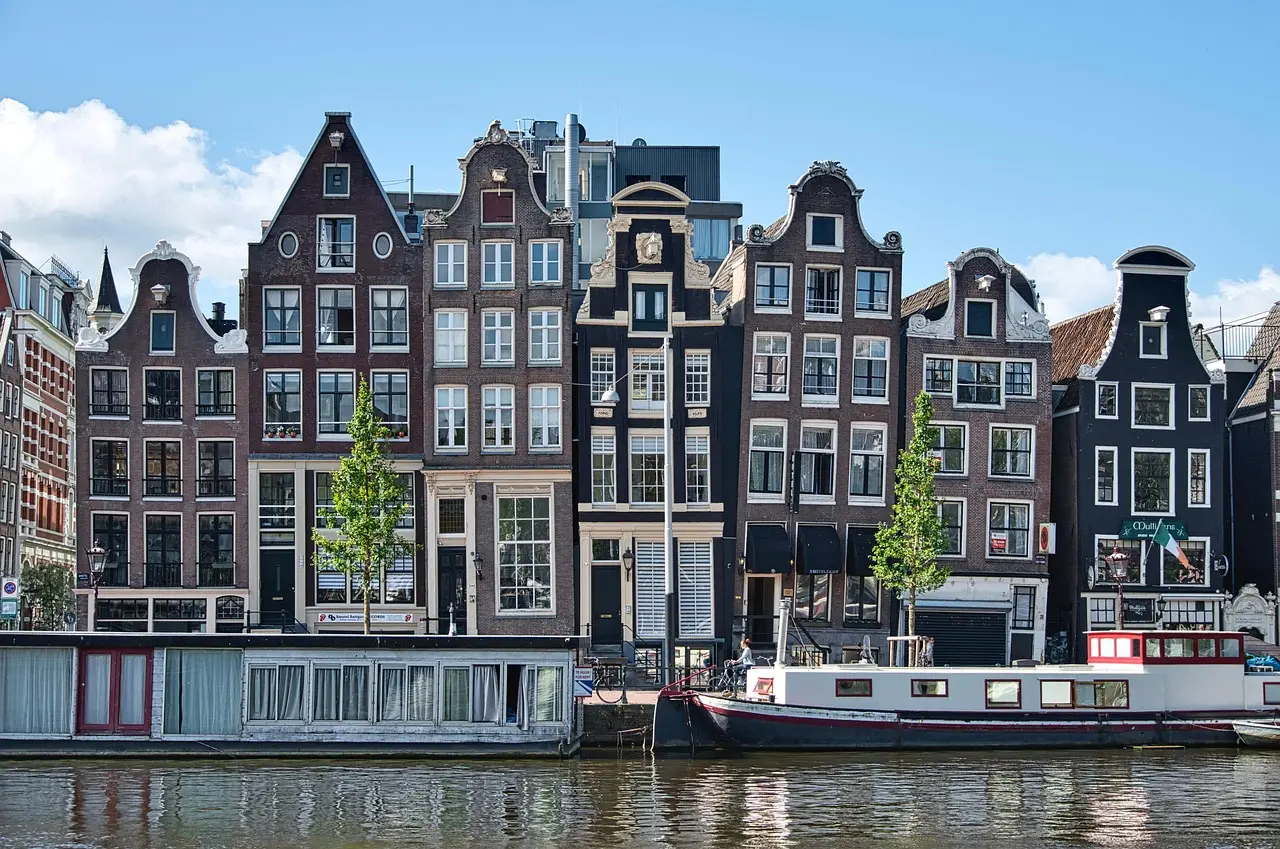
Start your morning with a classic canal cruise. Most operators launch from Central Station or near the Anne Frank House and glide past the UNESCO‑listed Canal Ring, offering views of gabled merchant houses, houseboats and the iconic Skinny Bridge (Magere Brug). A 60‑minute audio‑guided tour gives context on the Golden Age trade routes that shaped the city.
After disembarking, wander into the Jordaan, a former working‑class quarter turned trendy enclave. Its narrow streets are lined with independent boutiques, brown cafés and hidden courtyards known as hofjes. Pause at the Noordermarkt on a Monday for the organic food market, or simply linger at a sidewalk table with a stroopwafel and a cup of Dutch coffee.
For lunch, try a local haunt serving bitterballen or a fresh herring sandwich—both are quick, tasty and give you a taste of street‑food culture. In the afternoon, explore the Nine Streets (De Negen Straatjes) where you’ll find vintage shops, designer boutiques and small galleries.
As evening approaches, consider a second, shorter cruise focused on the illuminated bridges. The lights reflect off the water, creating a picture‑perfect backdrop for photos. If you prefer to stay on dry land, the Jordaan’s many brown cafés transform into lively spots for a local beer or a jenever.
Museumplein is the cultural heart of Amsterdam, home to three major institutions and a spacious lawn that’s perfect for a midday break. Begin at the Van Gogh Museum, which houses the largest collection of Vincent van Gogh’s paintings and drawings worldwide. Highlights include Sunflowers, The Bedroom and numerous self‑portraits that trace his emotional journey.
A short walk brings you to the Rijksmuseum, the national museum dedicated to Dutch art and history. Its Gallery of Honor showcases masterpieces by Rembrandt, Vermeer and Frans Hals, with The Night Watch as the centerpiece. The museum’s recent renovation blends historic architecture with modern galleries, making it easy to navigate even if you’re short on time.
Between museums, relax on the Museumplein grass. Locals often picnic here, and you’ll see street performers, cyclists and families enjoying the open space. If the weather turns, the underground passageway links the two museums directly, letting you move between exhibits without braving the rain.
For a cultural snack, try a Dutch cheese plate from a nearby kiosk or grab a stroopwafel from a vendor. In the late afternoon, consider a quick visit to the Stedelijk Museum (modern and contemporary art) if your interests lean that way, or simply people‑watch while sipping a coffee at one of the museum cafés.
Dedicate the morning to the Anne Frank House, located on Prinsengracht. The preserved secret annex offers a moving insight into life during wartime, and the museum’s exhibits include original diary pages, photographs and personal artifacts. Because entry is timed and tickets sell out fast, it’s wise to secure yours online ahead of your trip—this also guarantees a specific entry slot and reduces queuing time.
After the visit, head toward the lively De Pijp neighborhood, famous for its Albert Cuyp Market. Here you can sample stroopwafels fresh from the iron, try raw herring with onions, or browse stalls selling cheese, spices and vintage clothing. The market’s atmosphere is a sensory snapshot of daily Amsterdam life.
If you’re craving a sit‑down meal, De Pijp offers a range of options from Indonesian rijsttafel (a legacy of the Netherlands’ colonial ties) to modern Dutch‑fusion bistros. Many restaurants now display QR codes for menus, making it easy to check options without needing a paper version.
For getting around, rideshare apps work well in Amsterdam, especially when you’re traveling with luggage or heading to destinations slightly outside the central zone—think Amsterdam Noord’s NDSM Wharf or the Amsterdam Forest. Activate your data connection, open the app, and you’ll see estimated fares and arrival times in real time. Remember that the city centre is largely pedestrian‑friendly and many attractions are within walking distance, so you might only need a ride for longer trips or late‑night returns.
Staying online in Amsterdam is straightforward with an eSIM‑compatible phone. Before you leave home, verify that your device supports eSIM (most recent iPhone and Android models do). Purchase a data plan that covers the Netherlands; many providers offer regional packs that include the EU, which means you’ll also have coverage if you take a side trip to Belgium or Germany.
Once you have the QR code or activation details, follow these steps:
With data active, you can use map apps for turn‑by‑turn navigation, check real‑time tram and bus schedules via GVB’s official app, and retrieve tickets stored in your wallet or email. If you run into connectivity issues, a quick toggle of airplane mode often forces the phone to re‑search for the strongest signal. For troubleshooting, the guide “esim-not-working-fix” offers step‑by‑step solutions, while “how-much-esim-data-do-i-need” helps you estimate the right package based on streaming, map usage and social‑media habits.
Amsterdam’s top sights draw large crowds, especially during spring and summer. To make the most of your limited time, consider these strategies:
Remember to verify opening hours and any seasonal closures directly on each institution’s website before you go—holiday schedules can shift, and special exhibitions may affect regular access.
Open Settings, tap Cellular, choose Add Cellular Plan, then scan the QR code provided by your eSIM vendor. Label the plan and enable it; you should see a signal bar appear within moments. For a detailed walk‑through, see the guide “how-to-install-esim-iphone”.
First, toggle airplane mode on and off to force a reconnection. If that fails, go to Settings > Cellular, select your eSIM plan, and ensure data roaming is enabled. Persistent issues can often be resolved by reinstalling the plan or contacting your provider’s support. The troubleshooting guide “esim-not-working-fix” covers common fixes.
Generally, no. Online pre‑booking not only guarantees entry but also often locks in the standard rate, whereas walk‑up tickets may be subject to availability and occasional surcharges for timed entry. Checking the official museum sites for any promotional days is worthwhile, but for high‑demand spots like the Van Gogh Museum, advance purchase is strongly advised.
Many eSIM providers allow you to install the same plan on multiple devices, though each device will need its own activation QR code. Confirm with your vendor whether multi‑device sharing is supported and whether any additional fees apply.
A reliable data connection makes navigating Amsterdam’s canals, trams and museum queues far smoother. If you haven’t yet set up an eSIM for your trip, consider a Europe‑wide plan that covers the Netherlands and neighboring countries—you can explore options at /destinations/europe. For step‑by‑step installation, the guides “how-to-install-esim-iphone” and “how-to-install-esim-android” walk you through the process, while “what-is-esim” explains the basics of the technology if you’re new to it.
To skip lines and guarantee entry, many travelers pre‑book tickets for the Van Gogh Museum, the Rijksmuseum, the Anne Frank House and a classic canal cruise. You can browse available attractions and secure your passes through the ticket hub at /tickets.
Enjoy your three‑day adventure through Amsterdam’s waterways, museum squares and lively neighborhoods—stay connected, plan ahead, and let the city reveal itself one canal bend at a time.
